
BONE GRAFTING IN LENOIR, NC
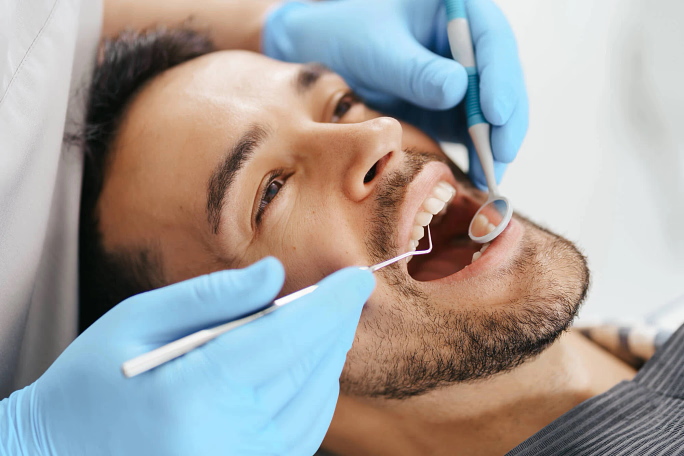
RESTORING LOST SUPPORT
Bone grafting in Lenoir, NC rebuilds bone tissue that has been lost due to periodontal disease, injury, or tooth loss.
When periodontal disease destroys alveolar bone, the foundation that supports your teeth weakens, leading to instability, shifting, and potential tooth loss. A bone graft replaces lost bone and encourages your body to regenerate new bone naturally. This proactive treatment helps stop further bone loss progression and restore function.
By restoring bone where it was lost, grafting makes your smile stronger, protects existing teeth, and helps prepare sites for future restorations like dental implants. It strengthens your bite foundation significantly.

WHEN IT’S NEEDED
Bone loss can happen from periodontitis, traumatic injuries, or longterm missing teeth.
Without healthy bone, dental implants may not have enough support, and teeth can become unstable. Bone grafting strengthens thin or soft jawbone so it can hold teeth and prosthetics with confidence. This reinforcement also helps restore bite function and prevent future complications or shifting.
This reliable foundation improves chewing function, supports oral health, and reduces the risk of further bone deterioration. It also preserves your facial shape and prepares your mouth for future restorative dental options.

WHAT TO EXPECT
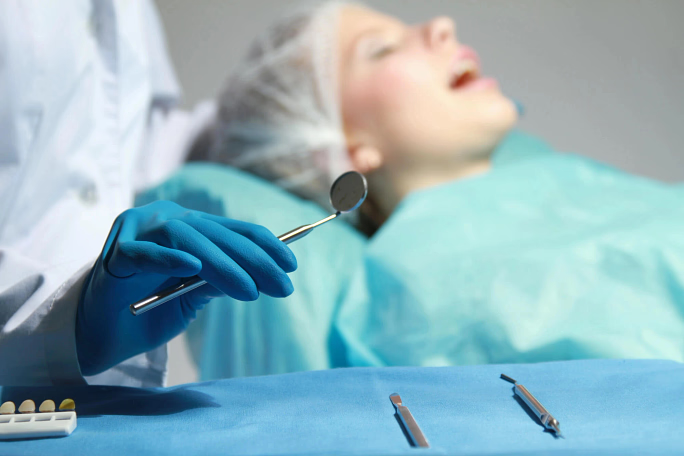
A bone graft procedure is typically performed under local anesthesia and takes place in a comfortable, familiar setting.
Your dentist will prepare the graft site, place graft material, and secure it to support natural bone growth. Healing takes time, but most patients experience minimal discomfort and predictable results with proper aftercare. You’ll receive detailed instructions and support throughout your healing process to ensure the best outcome.
Over weeks to months, the graft encourages new bone formation—laying the groundwork for healthier teeth and future treatments. This process strengthens jaw structure and supports long-term stability for restorative planning.
Autograft, Allograft & Xenograft
Bone graft material may come from your own body, a donor, or labcreated sources depending on your needs. Selection is based on bone loss severity, overall gum health, healing response, and longterm periodontal stability goals.
Jawbone Reconstruction
Bone grafting rebuilds lost jawbone caused by advanced gum disease, helping stabilize teeth and support future restorations. Addressing infection early with targeted periodontal therapies can help protect bone and reduce further deterioration.
