
PERIODONTICS IN LENOIR, NC

COMPREHENSIVE GUM CARE
Cornerstone Dentistry in Lenoir, NC, supports both your oral and overall health, beginning with your gums. Gum disease often develops without pain, but the effects can be serious. That’s why we check for inflammation, bleeding, infection, and bone loss at every visit and recommend care based on what your gums need most using modern technology and proven clinical methods.
With early treatment and personalized care, we help you restore gum health and protect your teeth for years, while supporting comfort, stability, confidence, and long-term wellness.
If you have been searching for periodontics in Lenoir, NC, know that gum health is the foundation of everything else in your mouth. Healthy gums hold your teeth securely in place. When that support weakens, it can affect your bite, your restorations, and even your overall health. Our team treats periodontal care as part of a complete approach to preventative dental care, not an afterthought.
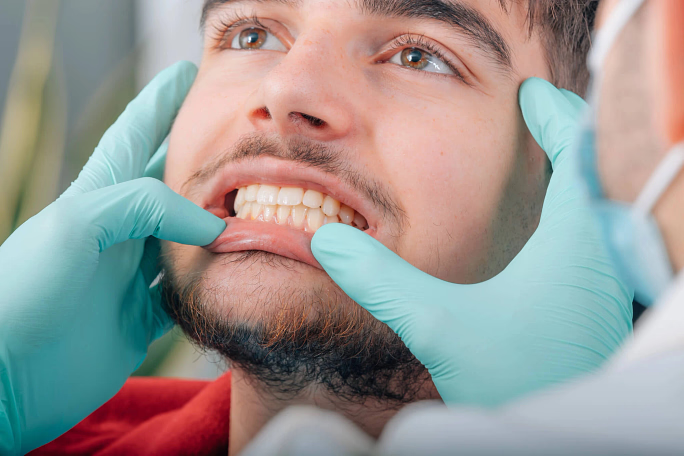
EARLY DETECTION
Periodontal disease often goes unnoticed until it becomes more advanced or harder to treat. Our team looks for subtle signs like red gums, bleeding when brushing, or chronic bad breath. These symptoms may seem minor, but they are often the earliest warning signs that an infection is present and that action is needed to prevent progression, discomfort, and tooth loss.
By acting early, we can help avoid discomfort and support your long-term oral and overall wellness, minimizing future complications and reducing the need for invasive or costly procedures.

Understanding the Stages of Gum Disease
Gum disease generally develops in two stages, and knowing the difference matters for your treatment plan. Gingivitis is the earliest and mildest stage, marked by red, swollen, or easily bleeding gums. At this stage, the condition is reversible with improved home care and professional cleaning.
Left untreated, gingivitis can progress to periodontitis. In this more serious condition, the infection spreads below the gumline. It begins to break down the bone and connective tissue that support your teeth. Periodontitis cannot be fully reversed, but it can be managed and slowed with the right ongoing care, which is why catching it early makes such a difference in how invasive your treatment needs to be.
During your exam, we measure the depth of the pockets between your gums and teeth with a small instrument called a probe. In a healthy mouth, these pockets usually measure between one and three millimeters. Deeper pockets are one of the clearest signs of periodontal disease, and tracking pocket depth over time helps us see whether your gums are responding to treatment.
Who Is at Risk for Gum Disease
Gum disease is common, and several factors can raise your risk beyond simply missing a cleaning. Smoking and tobacco use are among the strongest risk factors, along with diabetes, certain medications, hormonal changes, and a family history of periodontal problems. Teeth that are crowded or difficult to clean, as well as habits like teeth grinding, can also make gum disease more likely to take hold.
None of this means gum disease is inevitable. Still, it does mean some patients need closer monitoring and more frequent cleanings than others. We factor your personal risk profile into how often we recommend you come in and which preventive steps will be most helpful.
Age also plays a role, since gum disease becomes more common as people get older, but that does not mean it should be treated as a normal part of aging to be accepted. With consistent care, many older adults maintain healthy gums and keep their natural teeth well into their later years.
Proven Solutions
Our periodontics services in Lenoir, NC, address mild to severe gum disease with lasting, personalized solutions. We offer gentle deep cleanings, periodontal maintenance, and regenerative procedures, such as bone grafting, when needed. From first diagnosis to ongoing care, we provide clear explanations, compassionate support, and the tools you need to stay healthy between visits.
Our goal is to help you regain control of your gum health in the least invasive way possible, while promoting healing and preventing relapse.
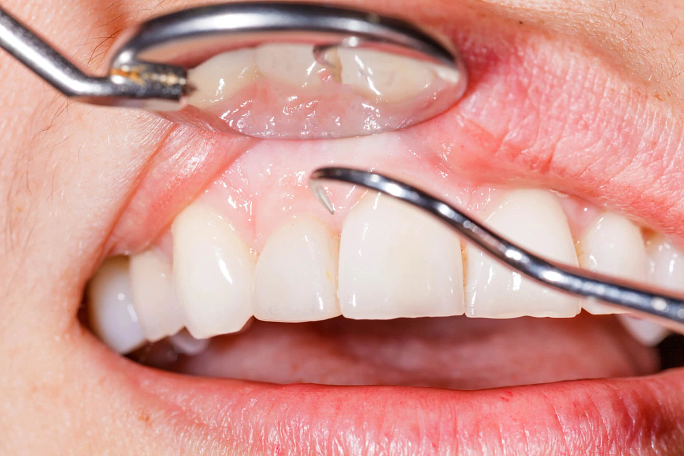
HOW GUM HEALTH AFFECTS YOUR SMILE
Healthy gums are the frame around every other dental treatment we offer. Receding or inflamed gums can shorten the appearance of your teeth, create uneven gumlines, and make cosmetic work like porcelain veneers or crowns harder to place with a predictable, long-lasting result. If you are considering cosmetic treatment and also have signs of gum disease, we will usually recommend stabilizing your periodontal health first. Hence, your new restorations have a solid, healthy foundation to rest on.
ARESTIN
This antibiotic treatment is placed directly into infected gum pockets to reduce bacteria and inflammation. Arestin works alongside deep cleanings to improve healing and prevent periodontal disease from progressing further.
BONE GRAFTING
Bone grafting helps restore strength where gum disease has caused bone loss, supporting the stability of future teeth or implants while preserving facial structure and improving function.
What to Expect During Periodontal Treatment
Most periodontal treatment starts with scaling and root planing, often called a deep cleaning. This two-part process removes plaque and tartar from below the gumline, then smooths the tooth root so gum tissue can reattach more easily. Depending on the amount of buildup, this may be completed in one visit or split across a couple of appointments, sometimes with local anesthesia to keep you comfortable.
After a deep cleaning, we typically schedule periodontal maintenance visits more often than a standard six-month cleaning, usually every three to four months, to keep bacteria levels under control. If bone loss has already occurred, we will talk with you about whether dental implants or bone grafting fits into your longer-term plan once your gums are stable.
In more advanced cases, we may recommend a referral for surgical treatment alongside the nonsurgical care we provide in our office. We will always walk you through why a particular step is recommended and what results you can realistically expect, rather than moving forward with a procedure you do not fully understand.
Protecting Your Gums Between Visits
Professional treatment addresses existing infection, but what you do at home between visits has a major impact on whether gum disease returns. Brushing twice daily, flossing or using an interdental brush, and avoiding tobacco all make a measurable difference in how well your gums hold up over time.
- Brush gently along the gumline, not just the chewing surfaces of your teeth
- Floss or use a water flosser daily to clear bacteria that your toothbrush cannot reach
- Avoid all forms of tobacco, which is one of the strongest risk factors for gum disease
- Keep up with the maintenance schedule we recommend, even once your gums feel better
For more detailed guidance tailored to your mouth, our home care resources walk through daily habits that support everything we do in the office.
Cost and Financing for Periodontal Care
The cost of periodontal treatment depends on how advanced the gum disease is, whether Arestin or bone grafting is needed, and how many areas of the mouth require treatment. We provide a clear estimate before any work begins, so there are no surprises.
We also offer flexible financing options, and our team can help you understand what your dental insurance covers, since many plans cover a portion of periodontal treatment when medically necessary.
You can also read what other patients have to say in our patient reviews before your visit.
Frequently Asked Questions About Periodontics in Lenoir, NC
How do I know if I have gum disease?
Common signs include red or swollen gums, bleeding when you brush or floss, persistent bad breath, and gums that appear to be pulling away from your teeth. Many patients have no pain at all, which is why a routine exam is so important for catching it early.
Is a deep cleaning painful?
Most patients tolerate scaling and root planing well, especially when local anesthesia is used for areas with heavier buildup. Some mild soreness or sensitivity afterward is normal and typically resolves within a few days.
Can gum disease really affect my overall health?
Yes. Research from the Centers for Disease Control and Prevention has linked untreated periodontal disease to other health concerns, including complications with diabetes. Treating gum disease is about more than just your smile.
Will I need periodontal treatment for the rest of my life?
Gingivitis can often be fully resolved with better home care and a cleaning. Periodontitis is a chronic condition that is managed rather than cured, so ongoing maintenance visits become part of your routine, similar to how other chronic conditions are monitored over time.
What happens if gum disease is left untreated?
Untreated gum disease can lead to receding gums, loose teeth, and eventually tooth loss as the supporting bone breaks down. According to the National Institute of Dental and Craniofacial Research, it remains one of the leading causes of tooth loss in adults, underscoring the importance of early treatment.
How often should I come in for periodontal maintenance?
Most patients with a history of gum disease are seen every three to four months rather than the standard six-month interval. Your exact schedule depends on how your gums respond to treatment and your personal risk factors.
Can children get gum disease?
Yes, though it is less common than in adults. Children and teens can develop gingivitis, especially with inconsistent brushing and flossing, so we also check gum health at every pediatric and family visit.
Schedule Your Periodontics Consultation in Lenoir, NC
If you have noticed bleeding gums, bad breath, or other warning signs, do not wait for periodontics in Lenoir, NC to become an emergency. Cornerstone Dentistry’s team is ready to evaluate your gum health and develop a treatment plan tailored to your needs. Schedule your appointment today, or contact us with any questions before your visit.
