
Dental Implants vs. Dentures: Comparing Your Tooth Replacement Options in Lenoir, NC

When natural teeth cannot be saved, the choice usually comes down to dentures, implants, or a combination of the two. Neither option is right for everyone, and the best answer depends on your mouth, your health, and your goals.
For many patients, dentures in Lenoir, NC, are a practical, proven way to restore chewing, speech, and appearance. Learning how full and partial dentures work makes the comparison much easier.
How Dentures Work
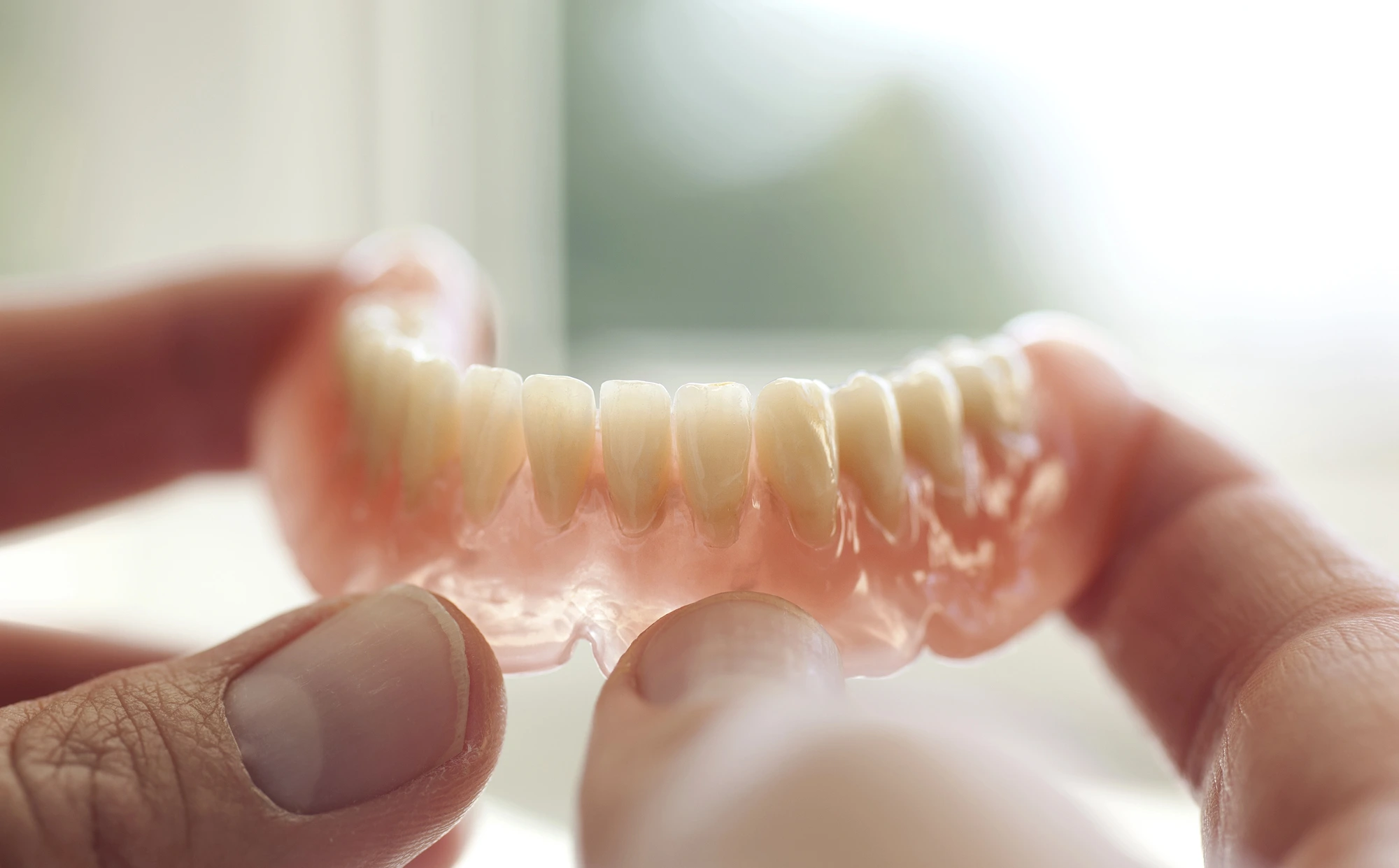
Full dentures replace all the teeth in an upper or lower arch, while partials fill the gaps when some natural teeth remain. Partials are anchored with clasps or precision attachments, and both types are custom-made to match your smile and facial structure. Because they are removable, they are easy to clean at home.
Dentures are typically recommended when natural teeth cannot be preserved because of decay, gum disease, or trauma, and they do not require surgery.
How Dental Implants Work
Implants replace a missing tooth from root to crown. A titanium post is placed in the jaw, and after healing, an abutment and a custom restoration are attached. Implants help preserve the jawbone and keep nearby teeth from shifting, and they can support single crowns, bridges, or implant-supported dentures.
Sometimes bone grafting is recommended first to strengthen the jaw. For a closer look at the steps, read about what the dental implant process actually looks like, and see how dental implants fit into restorative care.
Side by Side
In everyday terms, the two differ in several ways:
- Stability: Dentures rest on the gums and may shift, while implants are anchored in bone
- Surgery: Dentures are non-surgical, while implants require a procedure and healing time
- Bone: Implants help preserve jawbone, while dentures do not stimulate it
- Care: Dentures come out for daily cleaning, while implants are cleaned like natural teeth
- Timeline: Dentures are usually faster, while implants involve more stages
- Cost: Ask for an itemized estimate, since upfront costs and long-term costs differ
The Middle Ground: Implant-Supported Dentures
Some patients choose a hybrid. The Cleveland Clinic explains that implant-supported dentures attach to the jawbone with dental implants, which offers more stability for chewing, eating, and speaking. They come in removable and non-removable designs, and they can help prevent bone loss.
The Cleveland Clinic also notes that many people who start with traditional dentures eventually upgrade to implant-supported ones because they find them more comfortable and secure.
Caring for Dentures
Good habits keep dentures comfortable and long-lasting. The American Dental Association recommends cleaning them with a soft-bristled brush and a non-abrasive cleanser, and keeping them covered in water when they are not in your mouth so they do not warp. Regular checkups let your dentist adjust the fit as your mouth changes.
How to Decide
Consider how many teeth are missing, the condition of your bone and gums, your overall health, your budget, and how comfortable you are with surgery. An exam and imaging show what is realistic for you, and reviewing your financial options ahead of time helps you plan with confidence.
Frequently Asked Questions
Can I get implants if I have worn dentures?
Often, yes, depending on your bone, and sometimes after a bone graft.
Does insurance cover dentures?
Many plans cover part of the cost, so check your benefits first.
Do implants last longer than dentures?
Implants often last many years with good care, while dentures typically need adjustments and eventual replacement.

Considering Dentures in Lenoir, NC? Compare Your Options With Our Team
Our team at Cornerstone Dentistry can examine your mouth, explain each option clearly, and help you choose what fits your comfort, timeline, and budget. Schedule your appointment or call us at (828) 754-3531 and find the teeth-replacement option you need.
